
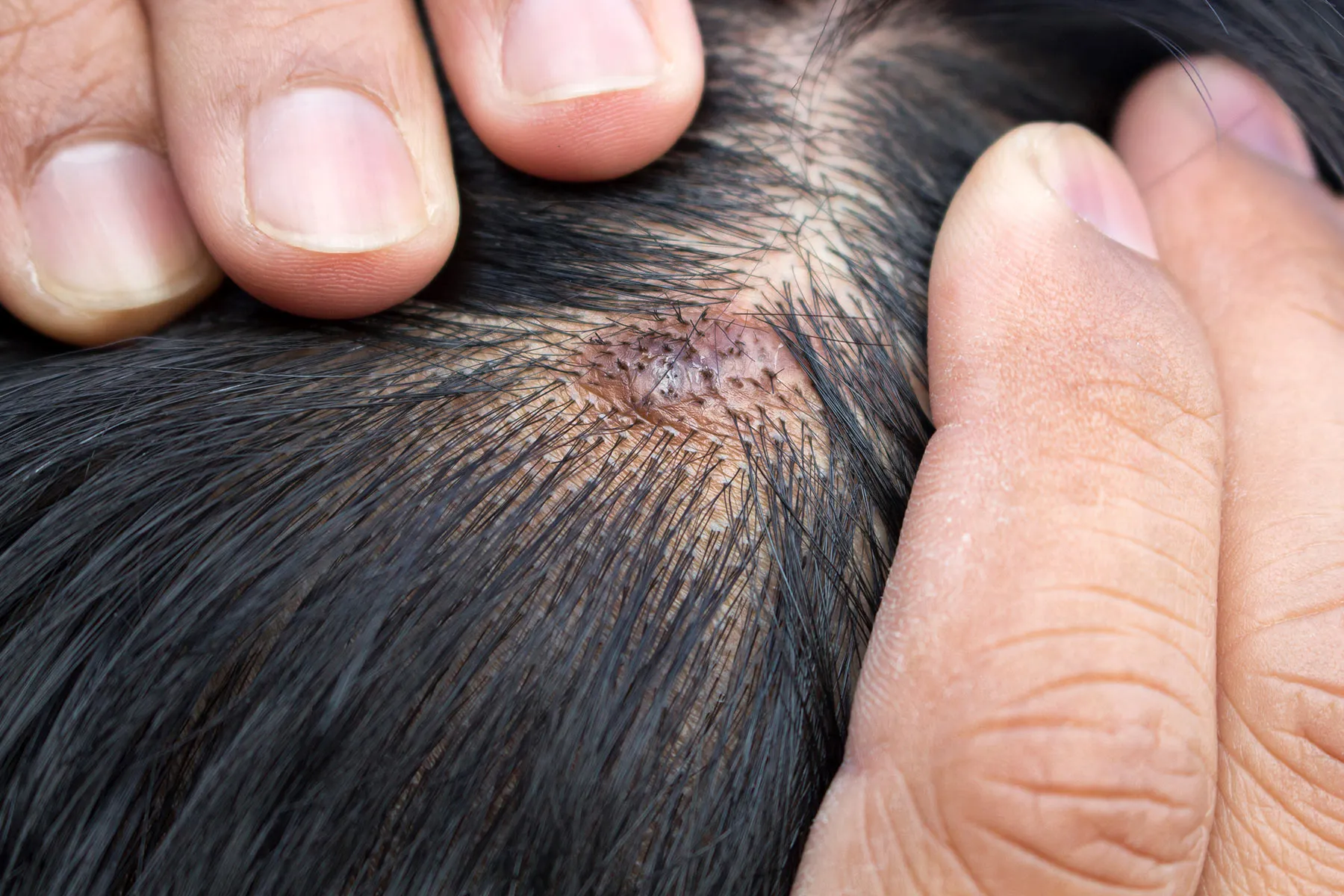
Itchy scalp treatments prove truly effective through targeted antifungals, hydration restoration, inflammation reduction, and consistent application addressing underlying causes like dandruff, dryness, or fungal overgrowth. Medicated shampoos with ketoconazole, zinc pyrithione, or tea tree oil combined with carrier oils like coconut deliver 70-90% symptom relief within 2-4 weeks when used 2-3 times weekly.
Antifungal Actives Target Malassezia Yeast
Ketoconazole 1-2% shampoos kill dandruff-causing yeast, reducing inflammation by 80% in 4 weeks; zinc pyrithione inhibits fungal growth while soothing flakes. Selenium sulfide controls seborrheic dermatitis effectively; leave on 5 minutes before rinsing for maximum penetration.
Hydrating Carrier Oils Restore Barrier
Coconut oil’s lauric acid penetrates scalp delivering antifungal benefits while moisturizing; massage warm oil 15-30 minutes 2-3x weekly prevents dryness-induced itch. Aloe vera gel soothes inflammation immediately, applied pure for 30-60 minutes before mild shampoo rinse.
Anti-Inflammatory Botanicals Calm Irritation
Diluted tea tree oil (2-3 drops in 1 tbsp carrier) fights fungus and bacteria without irritation when properly mixed; peppermint oil cools pruritus reducing itch signals by 40% after 2 weeks twice-daily use. Neem oil treats psoriasis/dermatitis via nimbidin’s potent anti-inflammatory action.
Exfoliating Agents Remove Buildup
Baking soda paste (1-2 tbsp + water) gently scrubs flakes/dead skin; salicylic acid shampoos dissolve buildup unclogging follicles. Apple cider vinegar rinse (1:1 water dilution) normalizes pH post-shampoo preventing rebound itch.
Conclusion
Itchy scalp treatments succeed through antifungals killing yeast, oils restoring moisture, botanicals calming inflammation, and exfoliants clearing debris applied consistently 2-3x weekly alongside gentle daily shampoos.
FAQs
Optimal medicated shampoo frequency and technique?
2-3 times weekly lather, leave 3-5 minutes, rinse thoroughly; alternate mild shampoo other days prevents dryness while maintaining efficacy.
Coconut oil vs olive oil—which hydrates better?
Coconut penetrates deeper via lauric acid killing fungus simultaneously; olive provides surface moisture but lacks antimicrobial punch.
Tea tree oil dilution ratio to avoid irritation?
2-3 drops per 1 tbsp carrier (coconut/jojoba); patch test first—undiluted burns sensitive scalps causing worsened itch.
Ketoconazole vs zinc pyrithione for dandruff superiority?
Ketoconazole superior for severe fungal overgrowth (90% clearance); zinc better maintenance preventing recurrence with milder profile.
How long until noticeable relief from consistent treatment?
Days 3-7 reduced flakes/itch; Weeks 2-4 70%+ improvement; full clearance 4-6 weeks requires underlying cause targeting.
Apple cider vinegar rinse timing and pH benefits?
Post-shampoo final rinse (1:1 dilution); restores 5.5 pH countering alkaline shampoos preventing barrier disruption/rebound dryness.
Baking soda scrub safety and frequency limits?
1-2x weekly max; overuse strips oils worsening dryness—gentle massage 2 minutes then rinse prevents over-exfoliation.
Overnight oil treatments vs daytime application?
Overnight maximizes absorption (wrap towel); daytime 30-minute pre-shampoo sessions equally effective for busy schedules.
When medicated shampoos fail—next escalation steps?
Persistent 4+ weeks requires dermatologist; possible psoriasis/lice/ringworm needing steroids/orals—not home remedies alone.
Daily prevention routine post-clearance?
Weekly ketoconazole maintenance + moisturizing conditioner; avoid hot water/harsh sulfates preserves scalp health long-term.

Previous Article
Natural Non-Toxic Options For Safe Itchy Scalp TreatmentsNext Article
Why Itchy Scalp Treatments Differ By Cause