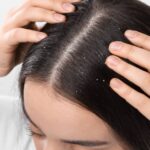
An itchy scalp is one of those low‑level problems that can quietly spoil your whole day. In my 15 years leading UK‑based teams across health, retail and services, I’ve seen that people perform better – at work and in life – when they’re not thinking about whether they can scratch their head in a meeting. The best itchy scalp treatments don’t just “fix flakes”; they support daily comfort so you can get on with your life without constantly negotiating with your scalp.
Why Daily Comfort Matters More Than Occasional “Relief”
Most people reach for help when things are already bad – burning, visible flakes, disturbed sleep. They buy a quick‑fix shampoo, get a couple of easier days, then drift back to the same cycle. That’s symptom relief, not daily comfort. Daily comfort means most days you simply don’t notice your scalp: no constant prickling, no tightness after a shower, no anxiety about what’s on your shoulders.
What I’ve learned is that the treatments which really support daily comfort are the ones that fit into your routine easily and keep your scalp in a steady state. They may not feel dramatic in the moment, but over weeks they turn itch into a rare event rather than a background soundtrack. It’s the difference between firefighting and running a stable operation.
Matching Treatment To The Real Cause, Not The Label
From a practical standpoint, daily comfort starts with understanding what’s driving your itch. A dry, tight scalp needs very different care from an oily, flaky scalp or one that reacts to fragrance or dyes. MBA programmes talk about “diagnose before you prescribe”; this is the same principle applied to your head.
If your scalp feels stretched and sheds fine, light flakes, you’re probably dealing with dryness or barrier damage. If it’s greasy by midday with thicker flakes, yeast or seborrhoeic dermatitis may be involved. If you notice patterns after specific products, you may be looking at irritation or allergy. Once you recognise the pattern, you can choose treatments – moisturising tonics, medicated shampoos, fragrance‑free formulas – that actually line up with your problem, rather than throwing random “anti‑itch” solutions at it and hoping.
Creating A Scalp Routine You’ll Actually Stick To
The best treatment in the world is useless if it doesn’t fit your life. I’ve seen plenty of well‑intentioned people buy elaborate scalp kits they use twice and then abandon because the steps are unrealistic on a Monday morning. Daily comfort comes from simple routines done consistently, not heroic rituals you can’t sustain.
In practice, that often means:
- A realistic wash schedule that suits your hair type, activity and commute – not an arbitrary “every day” or “once a week” rule.
- One main shampoo that matches your scalp’s needs, plus a backup (for example, a medicated one) used on specific days if required.
- A small number of leave‑on products – if any – chosen for how they make your scalp feel 24 hours later, not just immediately after application.
What I’ve learned is that three well‑chosen steps you repeat are better than seven you don’t. The goal is to make scalp comfort almost automatic, not another project you have to think about.
Reducing “Micro‑Stressors” That Keep Scalp Nerves On Edge
Daily comfort isn’t only about products; it’s about the small, repeated stresses you put on your scalp without realising. Tight hairstyles, constant headset use, scratchy hat seams, and very hot showers all add tiny insults that, over time, keep the skin irritated. Treatments that support comfort look beyond the bottle and address these micro‑stressors.
From a practical standpoint, useful adjustments include:
- Loosening ponytails, buns or braids slightly, especially if you feel tenderness at the roots by evening.
- Taking regular breaks from headphones or helmets so pressure points can recover.
- Turning shower temperature down a notch and avoiding direct, scalding water on the scalp.
None of these changes are glamorous, but they reduce the “noise” your scalp has to cope with. The result is fewer flare‑ups and less need to reach for emergency fixes.
Supporting Confidence In Social And Work Settings
Look, the bottom line is that daily comfort is not just physical; it’s psychological. I’ve seen senior leaders subconsciously hold back in presentations because they’re worried about flakes on their jacket, or avoid certain seating because overhead lighting makes any dryness obvious. When your scalp is comfortable, you stop negotiating with those anxieties.
Treatments that really support daily comfort help in three ways:
- They reduce visible signs – flakes on clothing, redness at the hairline – so you’re not constantly checking yourself.
- They cut down on disruptive sensations like stinging or sudden itch, so you’re not fighting the urge to scratch in front of a client.
- They give you a fallback plan: if things flare, you know exactly which products and routines to use, instead of panicking and improvising.
From a business‑leader’s perspective, that’s about protecting your “bandwidth.” The fewer cycles your brain spends thinking about your scalp, the more it has available for decisions that actually matter.
Turning Scalp Care Into Ongoing Self‑Maintenance
What I’ve seen play out, time and again, is that people who enjoy reliable daily comfort treat scalp care the same way they treat dental hygiene or sleep: as an ongoing, low‑drama part of looking after themselves. They don’t wait for crisis; they keep to a basic routine, tweak it when seasons or circumstances change, and ask for help when something doesn’t respond.
Itchy scalp treatments support daily comfort best when they’re woven into that mindset. You stop expecting a miracle wash; you start expecting incremental, stable improvement. You’re willing to invest a little thought up front – understanding your scalp type, testing a few options calmly – in exchange for many days in a row where your scalp isn’t part of the story at all.
The reality is simple: daily comfort is not about finding one magic bottle, it’s about building a scalp environment that stays calm most of the time. Do that, and itch becomes an occasional signal you can respond to, not a constant companion you’re forced to live with.