
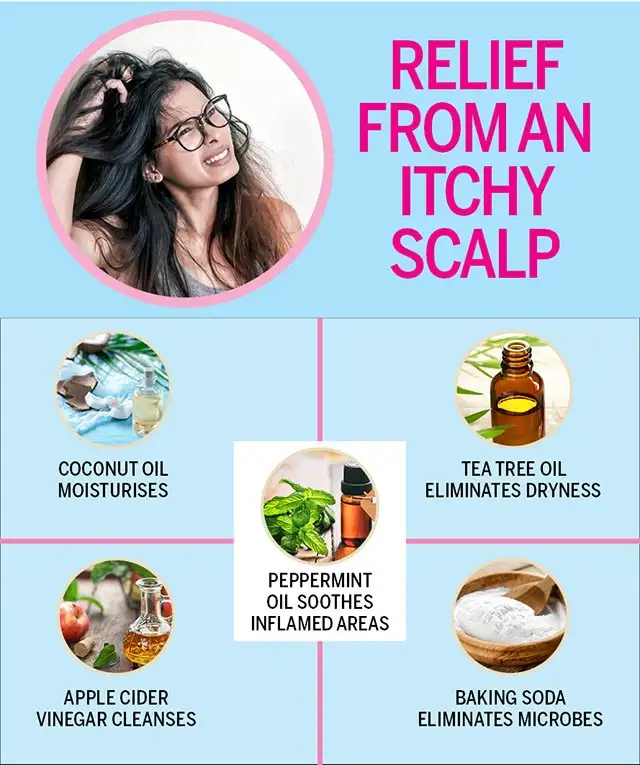
Fungal scalp issues are one of the most common, and most misunderstood, causes of persistent itch. In the UK, I’ve seen countless people throw “dry scalp” products at a problem that’s actually being driven by yeast or other fungal overgrowth. The result is months of frustration, money burned on the wrong shampoos, and a scalp that never quite settles. Effective itchy scalp treatments for fungal issues don’t rely on guesswork – they’re targeted, time‑bound and supported by smarter daily habits.
Recognising When Fungus Is Part Of The Problem
The first challenge is knowing when you’re dealing with a likely fungal component rather than simple dryness. A genuinely dry scalp tends to shed fine, light flakes and feel tight or sore after washing or in heated rooms. Fungal‑driven conditions, like seborrhoeic dermatitis or scalp yeast infections, behave differently: thicker, yellowish or greasy flakes, redness around the hairline or behind the ears, and itch that returns quickly after washing.
What I’ve learned is that if you’ve cycled through “moisturising” and “sensitive” shampoos with no lasting improvement, and flakes seem stuck to the scalp rather than just dusting off, it’s time to suspect fungus. At that point, the treatments that work are the ones that confront that cause directly instead of endlessly rebranding it as dryness or stress.
How Medicated Shampoos Target Fungal Growth
From a practical standpoint, the main workhorses against fungal scalp issues are medicated shampoos with antifungal ingredients. These don’t just wash away scales; they actively reduce the yeast populations linked to itching and inflammation. When used correctly, they can transform a chronically irritated scalp in a matter of weeks.
The key is technique and consistency, not just the label. You typically need to:
Use the shampoo on the scalp, not just the hair – really work it down to the skin. Leave it on for several minutes before rinsing, so the active ingredient has time to act. Follow the recommended schedule (often a few times a week initially, then tapering). I’ve seen people write off medicated shampoos because they used them like a quick hair wash, rushing them off in 30 seconds. That’s like swallowing half an antibiotic tablet and blaming the drug when the infection doesn’t clear.
Supporting Treatment With Smarter Washing Habits
Even the best antifungal shampoo struggles if your everyday habits keep creating the perfect environment for yeast to thrive. Warm, oily, product‑coated scalps under hats or helmets are exactly what these organisms want. Treatment that truly targets fungal issues usually includes adjustments to washing routines.
What tends to work in real life is:
Washing often enough to keep sweat and excess oil from sitting on the scalp, especially after exercise. Avoiding very hot water, which can inflame the skin and make it more reactive. Rinsing more thoroughly than you think you need to, so no residual shampoo, conditioner or styling product is left clogging the scalp. The goal isn’t a squeaky, stripped feeling – it’s a clean, comfortable scalp where medicated products can reach their target and everyday yeasts don’t get a free lunch.
Combining Antifungal Action With Barrier Repair
Here’s the part many people miss: fungal treatments and barrier repair are not an either/or choice. In fact, they work best together. The yeast overgrowth inflames and disrupts the scalp barrier; the damaged barrier then makes it easier for yeast to flare again. Breaking that loop means addressing both sides.
In practice, that looks like:
Using medicated products as prescribed to calm the fungal element. On off‑days, switching to a gentle, fragrance‑free shampoo and, if needed, a lightweight, non‑occlusive scalp moisturiser on particularly dry patches. Avoiding heavy oils and butters directly on the scalp while you’re still dealing with active fungal issues – they tend to trap heat and moisture, which is exactly what you don’t want at this stage. Over time, as the redness and heavy flaking settle, you can dial back the medicated side and keep the focus on maintaining a healthy, intact skin barrier.
Knowing When Self‑Management Isn’t Enough
There’s a point where sensible self‑care and over‑the‑counter products are no longer the right tools. If you’ve used an antifungal shampoo properly for several weeks, tightened your routine and still have intense itch, obvious inflammation or spreading patches, that’s when a GP or dermatologist should step in.
In those cases, treatments that genuinely target fungal issues may need to include:
Prescription‑strength antifungal shampoos or foams. Short courses of topical steroids to calm severe inflammation. Investigations for underlying conditions like psoriasis, eczema or immune issues that keep setting the scalp up for trouble. Sensitive individuals – for example, people with very reactive skin or multiple allergies – benefit from having one clear, structured medical guide to refer back to when discussing options, rather than trying to piece things together from scattered advice.
Building A Long‑Term Plan To Keep Fungal Flare‑Ups Rare
The reality is that the yeast species linked with scalp issues live on pretty much everyone’s skin; you’re not trying to sterilise your head, you’re trying to keep things in balance. Once you’ve used targeted treatment to calm a fungal flare, the job isn’t over. The question becomes: how do you stop this becoming a quarterly problem?
What I’ve seen work best is adopting a “maintenance mode” rather than going straight back to old habits:
Keeping a milder medicated shampoo in rotation once a week or fortnight, if recommended. Sticking with gentler, non‑occlusive products around the scalp long‑term, even if your hair care changes. Paying attention to early warning signs – a bit more flaking, slight itch in familiar areas – and treating those as prompts to tighten your routine for a few weeks, rather than waiting for a full flare.
From a leadership or operator’s lens, you’d call this risk management: once you know your scalp is prone to fungal problems, you don’t pretend you’ve “graduated.” You build a way of caring for it that keeps flare‑ups rare and manageable.
Treating Your Scalp Like An Asset, Not An Afterthought
The bottom line is that itchy scalp treatments which properly target fungal issues do three things: they confront the yeast overgrowth with the right active ingredients, they adjust your washing and product habits to make the environment less inviting, and they support the skin barrier so it’s less vulnerable next time.
In my experience, the people who get lasting relief are the ones who stop treating their scalp as an afterthought attached to their hair, and start treating it like the foundation everything else sits on. Once you bring that mindset – targeted action, smarter habits, and long‑term maintenance – the “mystery” of recurrent fungal itch usually disappears. You’re no longer at the mercy of flare‑ups; you’re running a plan that keeps your scalp healthy the way you’d run any well‑managed part of your life or business.