
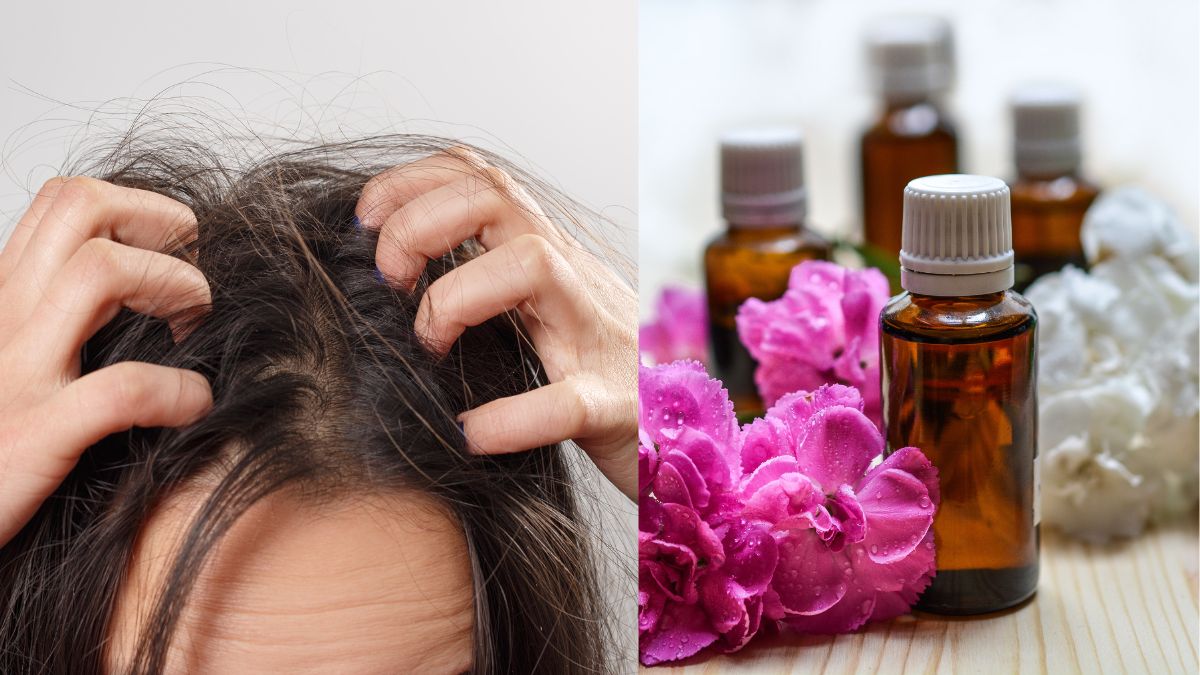
Natural oils have been marketed as the miracle answer to every itchy scalp problem, but the reality is more nuanced. In my 15 years leading UK‑focused health and consumer businesses, I’ve seen natural oils help some people dramatically and make others’ scalps worse. The real question isn’t “Should treatments include natural oils?” but “When do they genuinely help, and when do they quietly add to the problem?”
Understanding What Your Itchy Scalp Is Really Telling You
Before you even reach for a bottle of oil, you need a working theory about what’s driving the itch. A dry, tight scalp that sheds fine, light flakes behaves very differently from an oily scalp with heavy, stuck‑on scales or obvious redness. Throwing the same coconut‑oil cure at both will give you two very different outcomes.
What I’ve learned is that oils make the most sense when dryness, barrier damage and over‑washing sit at the heart of the issue. If your scalp feels like dry winter skin on your hands, a well‑chosen oil can act like a seal, keeping moisture in and reducing that “stretched” sensation. If, on the other hand, your scalp is already greasy by lunchtime, adding more oil is usually like pouring petrol on a small fire.
Where Natural Oils Can Genuinely Help
When people ask if itchy scalp treatments should include natural oils, they’re usually picturing things like jojoba, argan, almond or a few drops of tea‑tree mixed into a carrier. In the right context, these can be useful tools. Light, non‑comedogenic oils can soften a dry scalp, reduce micro‑cracking of the skin, and make existing flakes easier to lift without scrubbing.
From a practical standpoint, I’ve seen three use‑cases where oils pull their weight:
- As a pre‑shampoo treatment on a dry, flaking scalp: massaged in 20–30 minutes before washing, then rinsed thoroughly.
- As part of a weekly “repair” routine after a period of harsh chemical use or over‑washing.
- In very small amounts on specific dry patches, rather than rubbed across the entire head.
Used like that, oils are more like a gentle repair kit than a daily styling product. They support the scalp while you adjust washing frequency and shampoo choice, instead of trying to fix everything on their own.
Where Oils Can Make Itch And Irritation Worse
The flip side is just as important. I once worked with a senior manager who had a chronically itchy scalp and started oiling daily because an online video told her it was “Ayurvedic and healing.” Three weeks later, her scalp was redder, flakier and more tender. She hadn’t just moisturised; she’d effectively trapped sweat, sebum and product against the skin for hours at a time.
Here’s the reality: if your itch is driven by seborrhoeic dermatitis (often linked to yeast overgrowth), clogged follicles or heavy styling build‑up, thick oils can easily make things worse. They create a warm, occlusive layer that yeast and bacteria love, and they make it harder for medicated or clarifying shampoos to reach the scalp. Essential oils are another risk: undiluted tea‑tree, peppermint or eucalyptus can burn or sensitise already irritated skin.
The bottom line is that “natural” doesn’t automatically mean gentle or appropriate. For some scalps, a simple fragrance‑free emollient or a medication‑backed shampoo will do more good than any blend of boutique oils.
Matching Oils To Scalp Type, Not Trends
From a business perspective, you’d never roll the same product across completely different markets without adaptation. The same logic applies to scalp care. A few guiding principles help here:
- Dry, tight scalp with fine flaking: Light oils or oil‑based scalp serums can help, as long as they’re used intermittently and rinsed properly.
- Very oily scalp with heavy dandruff: Focus on gentle cleansing and, if needed, antifungal shampoos; use oils, if at all, only on lengths of hair, not the scalp.
- Sensitive, reactive scalp: Patch‑test everything. Start with the mildest, simplest products first – one oil at a time, well diluted – and give it days, not minutes, before judging.
What I’ve seen play out is that people who choose oils based on their actual scalp behaviour get results; people who choose them based on TikTok videos often end up in a worse place than they started.
Combining Oils With Evidence‑Based Treatments
The best outcomes usually come when oils support, rather than replace, proven treatments. If you’re dealing with confirmed scalp fungus or persistent dandruff, medicated shampoos are the main engine of change. In those cases, oils might play a secondary role – for example, soothing dry lengths of hair or calming the skin on off‑days – but they shouldn’t be allowed to interfere with what the medicated product needs to do.
From a practical standpoint, that looks like this in a weekly routine:
- Use a medicated or prescribed shampoo exactly as directed on treatment days.
- On non‑treatment days, use a mild, fragrance‑free shampoo and, if needed, a light pre‑wash oil only on dry areas, making sure to rinse thoroughly.
- Keep at least one or two days a week completely “product‑light” so the scalp has a chance to breathe.
If you like having a single, structured medical explainer in your back pocket when making these decisions, it can help to read through a detailed infection or dermatology guide from a professional platform – the same kind of resource that breaks down pinworm infection step by step – and apply that level of thinking to scalp conditions as well. The principle is the same: use the evidence‑based treatment as your anchor, then build gentle extras around it instead of the other way round.
Designing A Routine Sensitive Scalps Will Tolerate
I’ve been thinking about what you mentioned regarding sensitive individuals in the pinworm series. The same logic applies here: routines that look great on paper can fail if your scalp or nervous system hates them. Strong smells, heavy textures and long “leave‑in” times can all be a problem for people with sensory issues, migraines or skin that flares easily.
What I’ve learned is that, for these people, the question “Should treatments include natural oils?” is really “Can we keep this simple?” One or two well‑tolerated products, in small amounts, are better than a dozen half‑used bottles. You choose unscented or lightly scented oils, test in one patch first, and keep the contact time short at the beginning. You also accept that, if a product stings, burns or makes itch worse, it goes – no matter how many five‑star reviews it has.
Avoiding The “More Is Better” Trap
Everyone loves a ritual, and the beauty industry knows it. It’s easy to slide from a sensible pre‑wash oil into a 10‑step scalp‑oiling routine that takes an hour and quietly wrecks your barrier. From a leadership point of view, the discipline is in saying, “What’s the minimum set of things that actually works for me?” and then stopping there.
The reality is that itchy scalp treatments don’t become better just because you’ve added three more oils to the mix. They become better when they:
- Match your underlying scalp issue.
- Fit into your weekly schedule without constant skipping.
- Leave your scalp calmer and more comfortable over weeks, not just tingly for 10 minutes.
Natural oils can absolutely have a place in that if they’re chosen and used intelligently. But they’re supporting actors, not the whole story. Treat them like useful tools – not magic potions – and you’ll get far more out of them, with far fewer unpleasant surprises.
Previous Article
Which Itchy Scalp Treatments Work In Humid WeatherNext Article
What Itchy Scalp Treatments Offer For Dry Scalps