
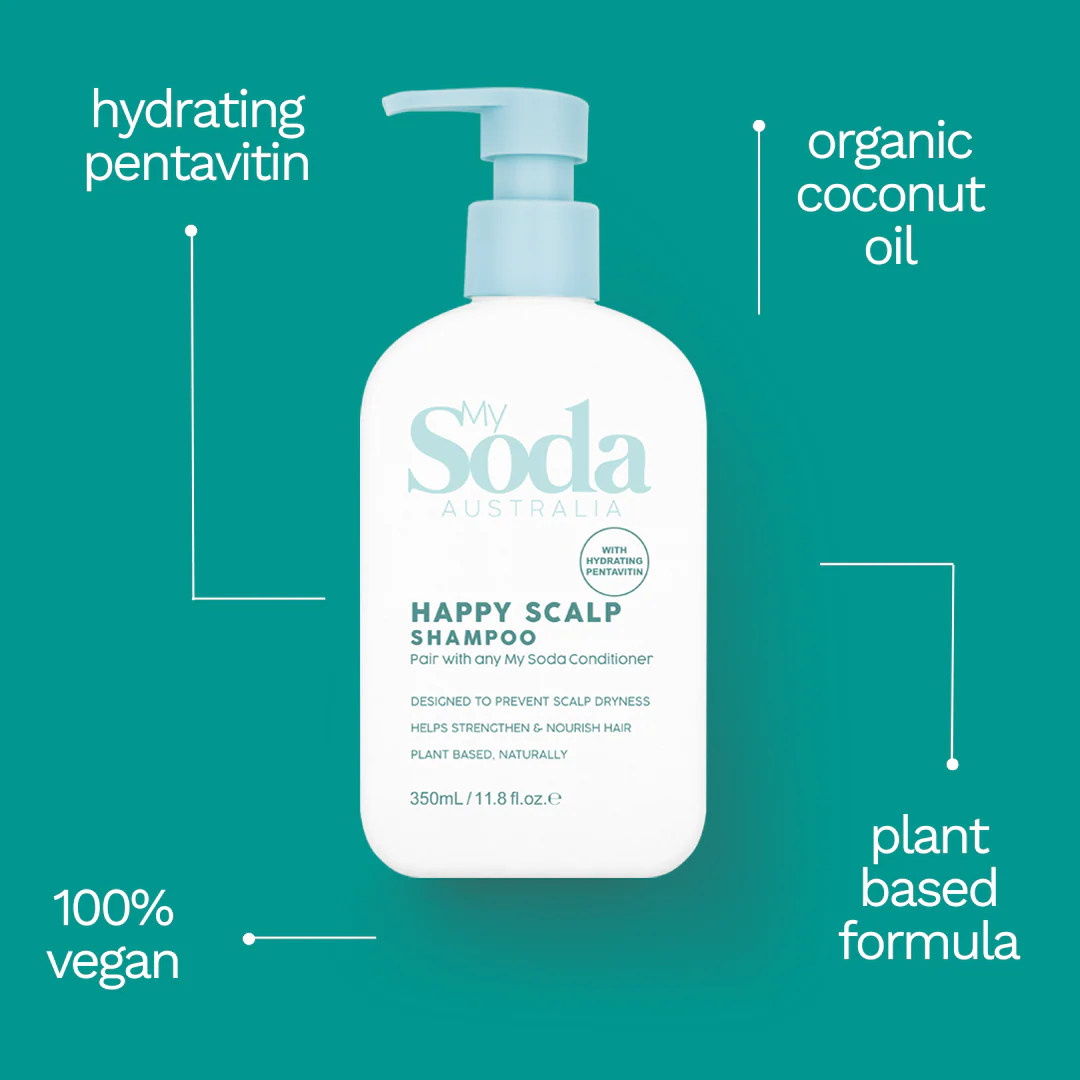
Pin‑dry, itchy scalp is one of those problems people tend to shrug off until it starts affecting sleep, confidence and how willing you are to sit under bright office lights. In my 15 years working with UK‑based teams in healthcare and consumer businesses, I’ve seen that the people who finally get on top of dry scalp issues stop chasing “miracle shampoos” and start treating their scalp like skin that needs a proper care strategy, not just a harsher wash.
Seeing Dry, Itchy Scalp As A Skin Problem, Not Just A Hair Issue
The first mental shift is simple but powerful: a dry, itchy scalp is usually a skin‑barrier problem, not a “dirty hair” problem. When the scalp’s outer layer is stripped by harsh detergents, hot water or constant styling, it loses moisture and micro‑cracks form. Those cracks expose nerve endings and make even small irritants feel like a big itch.
What I’ve learned is that most people in the UK make things worse by over‑washing with the wrong products, especially in hard‑water areas and centrally heated homes. They feel flakes and itch, reach for a stronger shampoo, scrub harder, and strip even more oils. The result is a scalp that’s both dry and inflamed. Treatments that work step back from that cycle and focus on repairing the barrier first, then addressing anything else.
What Effective Itchy Scalp Treatments Actually Offer
Done properly, good itchy scalp treatments offer three things to dry scalps: relief, repair and routine. Relief means calming the immediate itch so you’re not scratching through meetings or waking at night. Repair means putting moisture and lipids back into the scalp so it stops behaving like cracked earth. Routine means setting a sustainable pattern you can stick to in a busy UK working week.
In business language, you could say relief is the quick win, repair is the medium‑term project, and routine is the operating model. If a product only gives the quick win – a cooling sensation for an hour – but leaves your scalp just as dry underneath, you’ll be shopping again in a month. The treatments worth paying for quietly deliver all three.
Choosing Shampoos That Support A Dry Scalp, Not Punish It
MBA programmes teach you to “optimise processes”; the scalp version of that is choosing shampoos that do their job without trashing the environment they work in. For dry, itchy scalps, that usually means moving away from very foamy, high‑sulphate formulas toward gentler cleansers. You still need to lift sweat, pollution and product, but you don’t need to strip your scalp like a greasy plate.
In practice, that looks like:
- Washing less often if you’ve been shampooing daily out of habit, not necessity.
- Letting treatments or mild shampoos sit on the scalp for a minute or two before rinsing, instead of scrubbing aggressively.
- Using lukewarm rather than very hot water, especially in winter.
What I’ve seen play out is that when people switch from “maximum foam” to “minimum effective clean”, the itch often starts to reduce even before they add anything else. The scalp simply has time to hold onto some of its own protective oils.
How Targeted Treatments Rebuild The Scalp Barrier
For genuinely dry scalps, shampoos alone usually aren’t enough. You need something that actively puts moisture back in and seals it there. This is where scalp serums, lotions or masks designed for dryness come in. The best ones don’t just sit on the hair; they absorb into the skin and support the barrier with humectants (which attract water) and lipids (which hold it).
From a practical standpoint, think of it like fixing a leaking roof: you don’t just stop the rain for a day, you repair the structure so the next rain doesn’t cause damage. With the scalp, that means regular use – often once or twice a week at first – then tapering to maintenance once the itch is under control. The people who get lasting results treat these products more like skincare than like an occasional “hair treat.”
If you want a deeper dive into how clinicians break down dryness versus other causes of itch, resources that explain scalp conditions in the same structured way as a medical teaching platform does for topics like pinworm infection – walking through causes, symptoms, diagnosis, treatment, prevention and complications – can give you a useful framework to apply to scalp issues too.
Separating Dryness From Other Itchy Scalp Triggers
One trap I see often is assuming all itchy scalps are purely “dry.” In reality, several issues can overlap: true dryness, dandruff (which involves excess flaking and often yeast activity), contact irritation from products, and even psoriasis or eczema. If you only throw moisture at a scalp that’s actually reacting to fragrance, or struggling with an overgrowth of yeast, you’ll get partial or temporary relief at best.
The practical way to approach it:
- If your scalp feels tight, looks a bit dull and you see fine, light flakes, dryness is likely a big component.
- If flakes are heavier, yellowish or stuck to the scalp, or the itch is severe, you may be dealing with dandruff or a mild scalp infection.
- If red, sharply defined patches show up, especially elsewhere on your body, it’s time to think about eczema or psoriasis and speak to a professional.
What I’ve learned is that dry‑scalp treatments work best when they’re matched to a reasonably accurate self‑assessment. When in doubt, a short appointment with a GP or dermatologist often saves months of trial and error.
Adapting Scalp Care To UK Seasons And Environments
Back in 2018, most people I met treated their scalp the same in January as they did in July. Now, more switched‑on consumers – and certainly the better UK salons and clinics – accept that central heating, hard water, and humid commutes on the Tube all change what a “dry scalp” needs across the year.
In winter, indoor heating and cold air outside tend to dehydrate the scalp. This is when richer, more occlusive treatments and gentler shampoos earn their keep. In summer or in humid weather, sweat and pollution build‑up can sit on the scalp for longer, so the emphasis shifts slightly toward regular but gentle cleansing and making sure leave‑in products don’t suffocate the skin.
From a business‑leader perspective, you’d call this seasonal calibration. The goal stays the same – a comfortable, non‑itchy scalp – but the inputs adjust slightly with conditions rather than running the same settings all year and blaming your body when it doesn’t cooperate.
Using Routine To Protect Confidence And Focus
People rarely admit how much a dry, itchy scalp undermines their confidence. I’ve watched senior leaders distracted in meetings because they’re trying not to scratch, or dodging bright lighting because it makes flakes more visible on dark clothing. It’s a small but real drag on presence and performance.
What effective itchy scalp treatments offer, beyond comfort, is headspace. When you know you’ve got a routine that keeps things largely under control – the right wash pattern, the right products, a plan for seasonal tweaks – you stop thinking about your scalp so much. That lets you put your attention back where it belongs: clients, teams, work, or just enjoying your day.
Here’s what works in the long run: treat your scalp like you would a sensitive part of your business. Diagnose the real problem, stop over‑correcting with harsh measures, invest in targeted repairs, and then run a sustainable operating rhythm. Do that, and “itchy, dry scalp” moves from a recurring headline in your life to a solved story in the background – exactly where it belongs.