Itchy scalps are treated a bit like background noise in the UK – annoying, but rarely given the same attention as skin on the face or hands. In 15 years working with health and consumer brands, I’ve seen that this blind spot costs people confidence, focus and even productivity. The treatments are there; the problem is that itchy scalps are often overlooked until the situation is bad enough to be embarrassing.
The “It’s Just Dandruff” Mindset
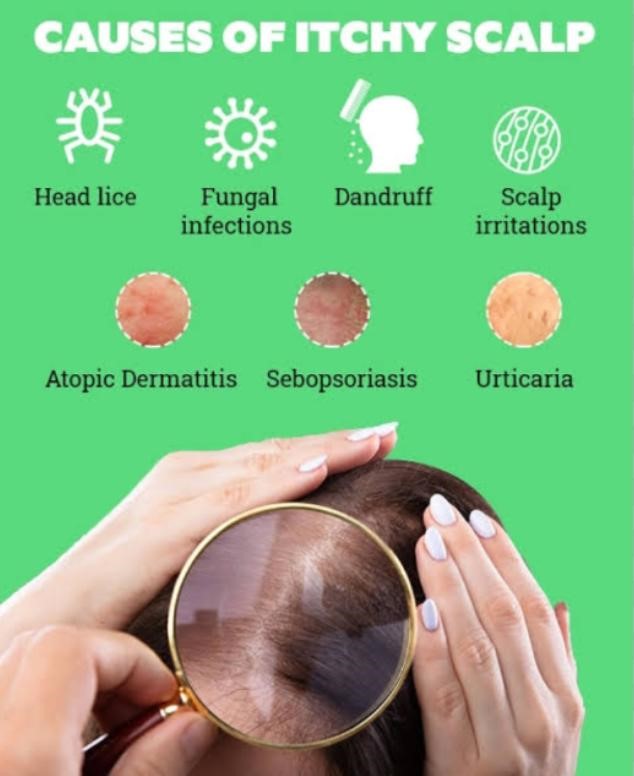
Most people file scalp itch under “just dandruff” and carry on. That casual attitude means they reach for whatever anti‑dandruff shampoo is on offer, use it sporadically, and hope for the best. When it doesn’t work, they either shrug and live with it or assume nothing will. What gets missed is that itch can signal anything from simple dryness to seborrhoeic dermatitis, contact irritation, psoriasis or even a scalp infection.
What I’ve learned is that because the scalp is hidden under hair, many in the UK treat it with lower priority than visible skin concerns. They’d see a GP quickly for a rash on their face, but tolerate months of burning and flaking on their head. The cost is quiet but real: poor sleep, constant distraction, and a low‑grade hit to self‑esteem every time flakes land on shoulders.
Stigma And The Fear Of Being Seen As “Unclean”
There’s also a stigma factor that keeps people from seeking proper treatment. An itchy, flaky scalp is still, unfairly, associated with poor hygiene. I’ve watched capable professionals admit they’re terrified colleagues will think they “don’t wash” if they bring it up or go to a dermatologist. That shame leads to under‑reporting, self‑diagnosis and delays in getting evidence‑based help.
From a practical standpoint, this stigma means many people quietly manage with drugstore fixes and never reach the point of asking, “What’s actually causing this?” The result is years of coping behaviours – darker clothes, avoiding certain seats, strategic hair styling – instead of a short, focused effort to address the underlying condition. Treatments are overlooked not because they don’t exist, but because people don’t want to admit they might need them.
Fragmented Advice And Overwhelming Product Choice
Walk down any UK high street and you’ll see shelves full of “itch relief”, “sensitive scalp” and “anti‑flake” products. The choice looks abundant, but for the average person it’s noise. Without a clear framework, they bounce between products based on marketing claims, star ratings and price, rarely staying with a sensible regimen long enough to see results.
I’ve been in board rooms where brands celebrate another variant launch, while consumers are left with 12 half‑used bottles at home and no idea what actually helped. In that environment, even the most effective itchy scalp treatments get lost. People don’t overlook them because they’re sceptical of science; they overlook them because they’re tired of trial and error and no one has helped them connect symptoms to the right type of care.
Underestimating The Business And Mental Health Impact
Managers rarely join the dots between an employee constantly scratching their head and a drop in focus or confidence. Yet, in practice, an unaddressed itchy scalp can undermine performance. I’ve sat in meetings where senior staff were visibly distracted, trying not to touch their hair or worried about flakes under harsh lighting. That kind of self‑consciousness quietly erodes presence and authority.
On the mental‑health side, persistent itch is more than a minor irritation. It can aggravate anxiety, disturb sleep, and contribute to a feeling of being “not quite right” in your own skin. Because it’s not seen as a “serious condition,” people rarely factor it into wellbeing strategies – and so treatments that could improve daily comfort and confidence remain underused.
The Gap Between Clinical Guidance And Everyday Behaviour
Clinicians generally have a clear hierarchy of what to try: gentle shampoos, medicated products when indicated, referral if red flags appear. The gap is that many people never reach that guidance. They are managing purely from the supermarket aisle and social media advice. The structured step‑by‑step approach that exists in clinical practice doesn’t filter through into everyday routines.
From a practical standpoint, this means itchy scalp treatments are often overlooked because they’re framed as “specialist” when, in reality, they could be part of normal self‑care. If more people had access to clear, well‑organised explanations – the kind of resource that walks through causes, symptoms, diagnosis, treatment, prevention and complications for a given condition – they’d be far more likely to choose and stick with treatments that match their actual problem, instead of endlessly guessing.
What Needs To Change For Treatments To Be Used Properly
If you and I were mapping this out like a business issue over coffee, the answer to “Why are itchy scalp treatments overlooked?” would boil down to four gaps:
- Awareness: people don’t realise itch can signal more than “a bit of dandruff.”
- Stigma: fear of being judged keeps them from asking for help.
- Clarity: too many products, not enough frameworks.
- Follow‑through: no one sets expectations that scalp recovery is measured in weeks, not days.
Address those and treatments stop being an afterthought. That looks like GPs and pharmacists normalising conversations about scalp health, brands focusing less on gimmicky claims and more on matching products to clear use‑cases, and workplaces taking minor but chronic health issues seriously as part of wellbeing.
The reality is that itchy scalp treatments can make a significant difference to daily comfort, confidence and function. They are often overlooked not because they’re weak, but because the problem they solve is minimised, misunderstood or quietly hidden. Treat scalp care with the same seriousness you give to facial skincare or back pain, and those “overlooked” treatments suddenly become part of a very sensible, very effective personal health strategy.

Previous Article
What Itchy Scalp Treatments Do During Winter MonthsNext Article
Can Itchy Scalp Treatments Restore Scalp Balance