Itchy scalp treatments differ by cause because each underlying condition requires targeted interventions addressing specific triggers like yeast overgrowth, inflammation, dryness, or infection. Dandruff demands antifungal shampoos, psoriasis needs corticosteroids, while allergies require product elimination for effective relief.
Dandruff and Seborrheic Dermatitis
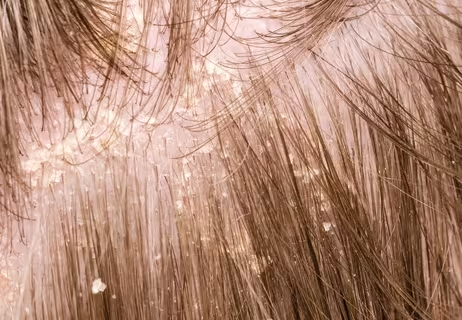
Flaky scales from Malassezia yeast overgrowth respond to ketoconazole, zinc pyrithione, or selenium sulfide shampoos that reduce fungal population and inflammation. Twice-weekly use controls symptoms; coal tar variants manage severe scaling without steroids.
Dry Scalp and Product Buildup
Moisturizing shampoos with glycerin, aloe, or coconut oil restore hydration without residue. Reduce washing frequency to 2-3 times weekly; avoid sulfates/hot water stripping natural oils essential for barrier repair.
Allergic Contact Dermatitis
Hypoallergenic, fragrance-free products eliminate irritants like paraphenylenediamine in dyes. Patch testing new items; cool rinses soothe acute reactions while corticosteroids calm inflammation temporarily.
Scalp Psoriasis
Thick plaques demand salicylic acid shampoos softening scales plus topical clobetasol for plaque reduction. Methotrexate or biologics manage severe cases systemically; UV therapy controls chronic flares.
Fungal Infections (Tinea Capitis)
Oral antifungals like griseofulvin or terbinafine eradicate dermatophytes penetrating follicles—topicals insufficient. Duration 6-8 weeks; shave affected areas improves penetration and monitoring.
Head Lice and Parasites
Wet combing with conditioner/nit comb daily removes nits mechanically; permethrin or ivermectin kills live lice. Repeat week 7-10 targets hatchlings; environmental laundering prevents reinfestation.
Conclusion
Itchy scalp treatments succeed through cause-specific targeting: antifungals for yeast, moisturizers for dryness, steroids for inflammation, orals for deep infections. Accurate diagnosis determines efficacy.
FAQs
Dandruff shampoo rotation necessary?
Yes—alternate zinc pyrithione, ketoconazole, selenium sulfide weekly prevents yeast resistance while maximizing control.
How long psoriasis topicals take effect?
Salicylic acid softens scales Day 3-5; clobetasol reduces itch/plaques within 7 days—maintenance prevents rebound.
Allergic reaction timeline to new product?
Symptoms within 48 hours; discontinue immediately, use hydrocortisone 1% twice daily 5-7 days resolves most cases.
Dry scalp washing frequency optimal?
2-3 times weekly with gentle, hydrating formulas; daily damages barrier worsening cycle.
Tinea capitis contagious duration?
Until 48 hours post-oral antifungal start; avoid sharing combs/hats 2 weeks minimum.
Lice combing technique specifics?
Section hair, comb conditioner-coated strands 10 passes per section daily 2 weeks; discard nits in sealed bag.
Seborrheic dermatitis dietary triggers?
Dairy, sugar exacerbate yeast; anti-inflammatory Mediterranean diet supports long-term management.
Nerve-related scalp itch treatments?
Gabapentin or low-dose antidepressants modulate neuropathic signals; capsaicin cream desensitizes locally.
When to seek prescription beyond OTC?
Persistent 2+ weeks, hair loss, oozing, fever signals infection/psoriasis needing systemic intervention.
Prevention across all causes?
Weekly mild antifungal shampoo prophylaxis, short lukewarm showers, silk pillowcases minimize triggers universally.